Just Care For Families

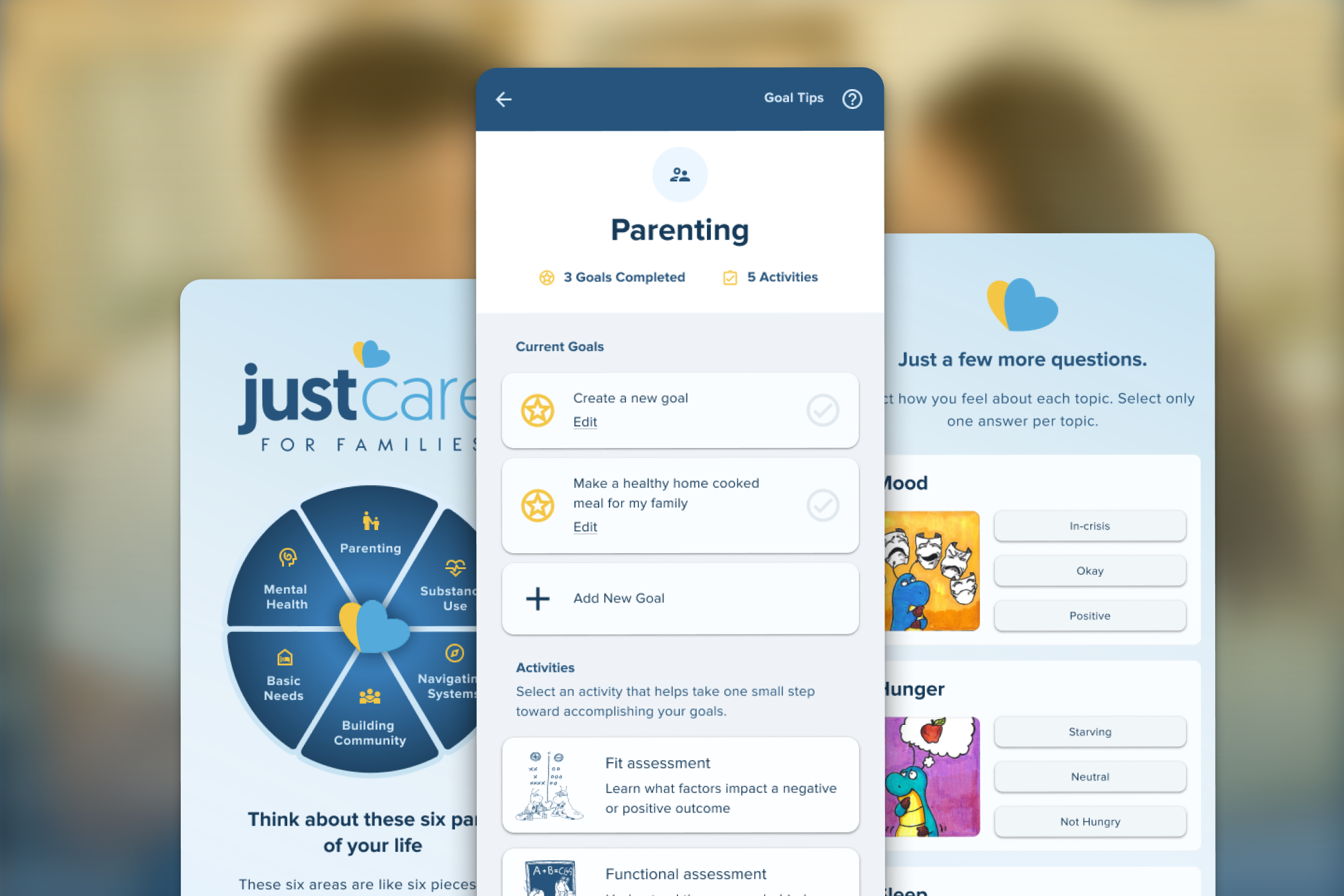
Just Care for Families is a companion app for an Oregon family program that helps parents build strong, healthy, and rewarding relationships with their children.

Methods
Product Design
Client
Just Care For Families
Duration
6 months
Tools
Figma, Figjam

The goal was to create a companion app for the successful Just Care program. We were brought in to refine the UX and UI and release the product to the App Store.

This project had already gone through an initial phase but had lost funding. After regaining funding, the client returned to Twenty Ideas to complete the project. As a result, there was no formal discovery phase, and we instead focused on the user journey and overall user experience.

With the research already complete, we collaborated closely with the client to finalize user flows, definitions, feature scope, and app structure.

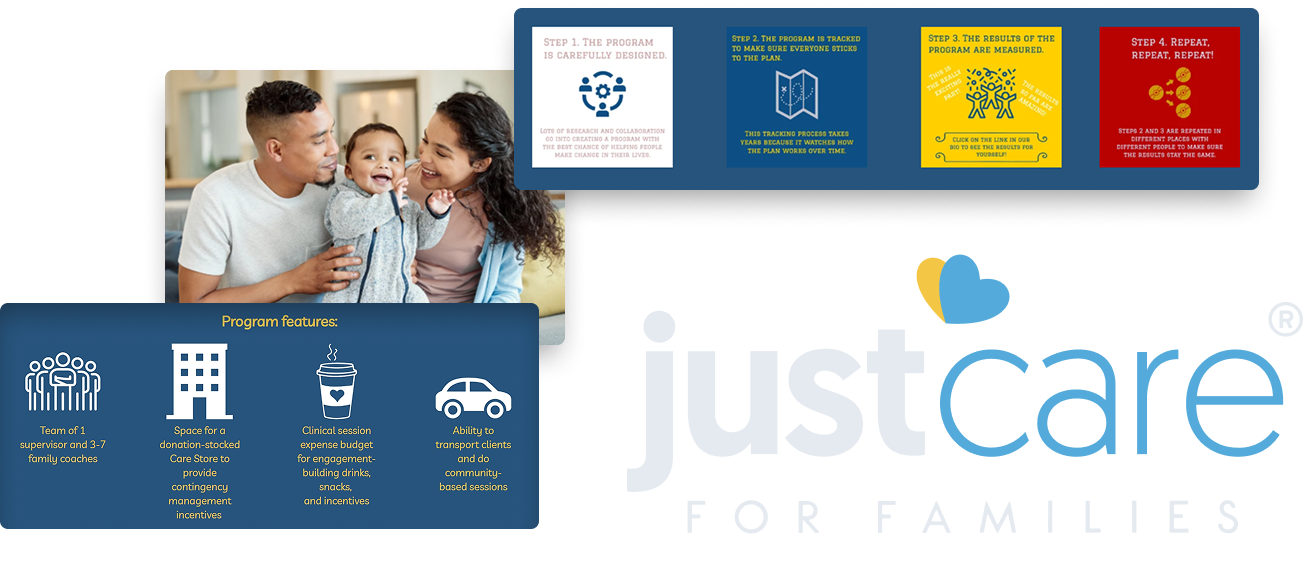
To kick off the project, we were given the previous Figma file and a program pamphlet. These materials helped us understand the experience the client envisioned. We proposed several improvements and used user journeys to communicate our recommendations.
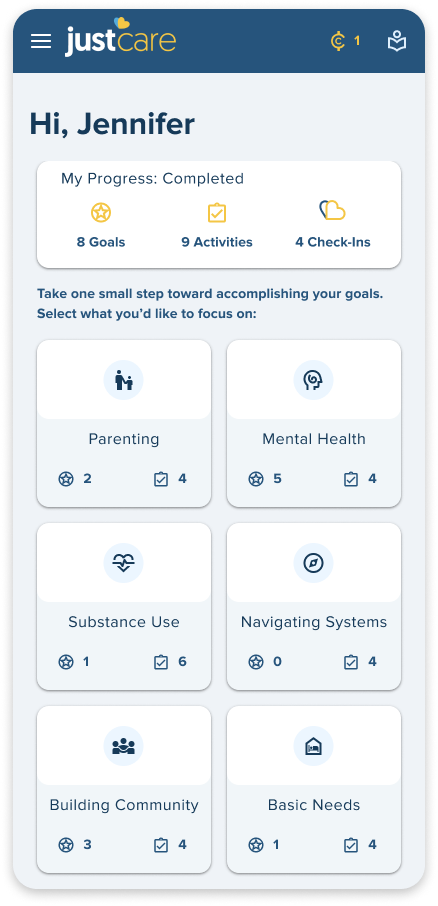
One of the challenges of this product was the translation of the program. I created diagrams to showcase the definitions and information placement within the application.

The client had big ideas but we needed to ensure it was all within reasonable scope. In the end we simplified their activities, some of the interactive elements, and combined certain role permissions. We created visuals for the permissions to gain approval from the stakeholder, which we included in the requirement documentation for the developers.

Design Challenges

One of the main challenges was translating the program into a digital experience. The client had ambitious ideas, but we needed to ensure everything remained within a reasonable scope.

In the end, we simplified activities, streamlined interactive elements, and combined certain role permissions to create a more focused and manageable product showcased through an information architecture artifact.

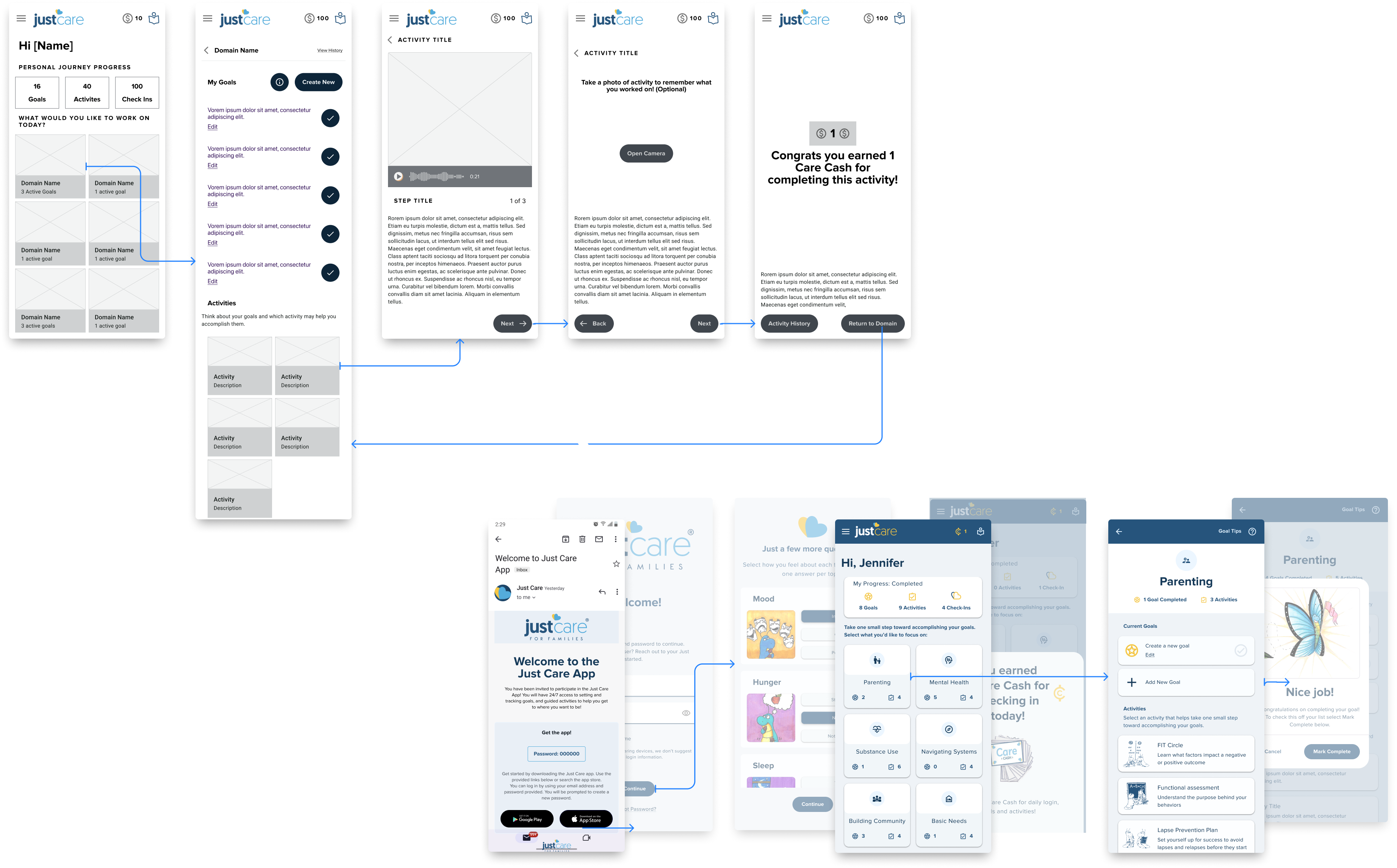
Design and development ran in parallel, with wireframes serving as the primary handoff. We held daily syncs and demos to ensure everyone stayed aligned as changes occurred.

Development was able to build the product structure using wireflows, while I was given extra time to polish the UI. By using prebuilt components, I quickly created and implemented UI elements for delivery.

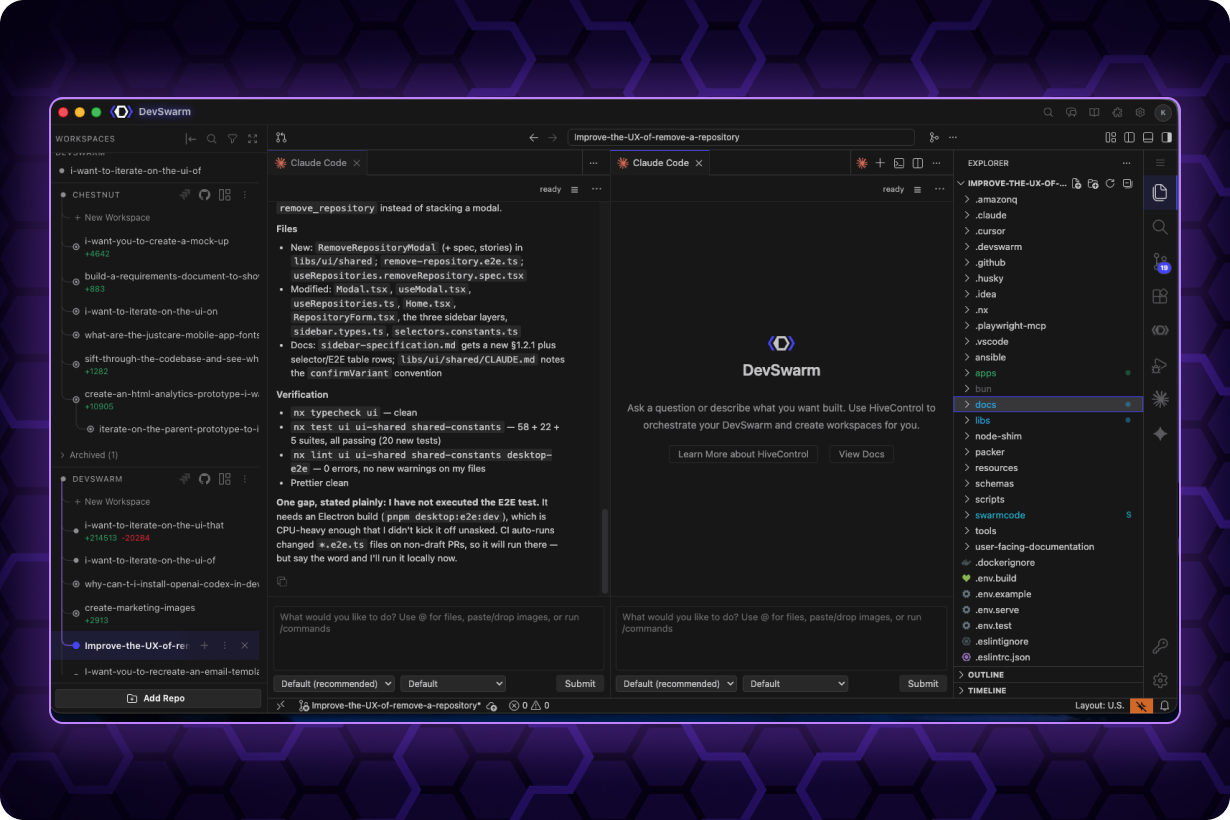
This workflow allowed the development team to work without final designs. Using Claude Code, they were able to efficiently update in-app wireframes into polished UI components.

Conclusion

After completing my primary role, I remained on standby to support design and engineering while moving on to my next project. The working prototype was delivered on time.

The algorithm and fully functional app were delivered one month after the initial proposed deadline due to a late-stage feature expansion involving additional user permissions and admin controls.

Today, the app is being used successfully by the program. The team has since received another government grant to continue expanding product features, which our team is currently supporting.
The app is being used today by the program with great success. They were able to receive another government grant to continue to expand their product features which our team is currently working on.